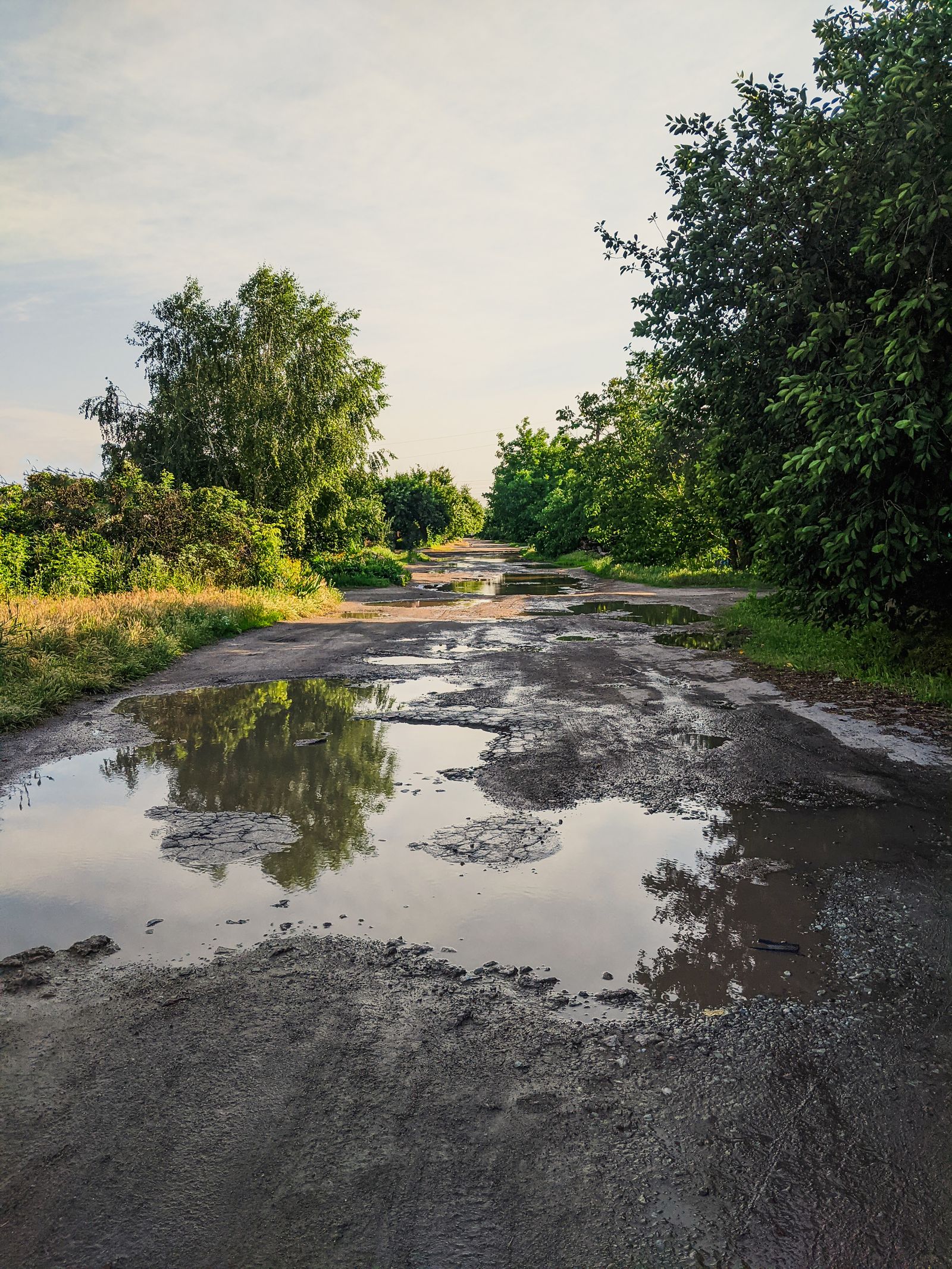
Your Driveway Is Not “Eating Gravel.” Something Underneath Is Failing
There is a familiar pattern with muddy driveways: order stone, spread stone, enjoy it for a while, then watch the same wheel tracks return after the next stretch of rain. At some point it feels like the driveway is swallowing money.
Usually, it is not a shortage of gravel. It is a support or water problem. A driveway that only fails after storms is telling you something different from one that stays soft all year. A section that collapses under delivery trucks is telling you something different from a surface that simply needs fresh material. Those clues matter.
Forget the Pretty Top Layer for a Minute
Homeowners naturally focus on what the finished driveway will look like. On soft ground, that is the last decision, not the first.
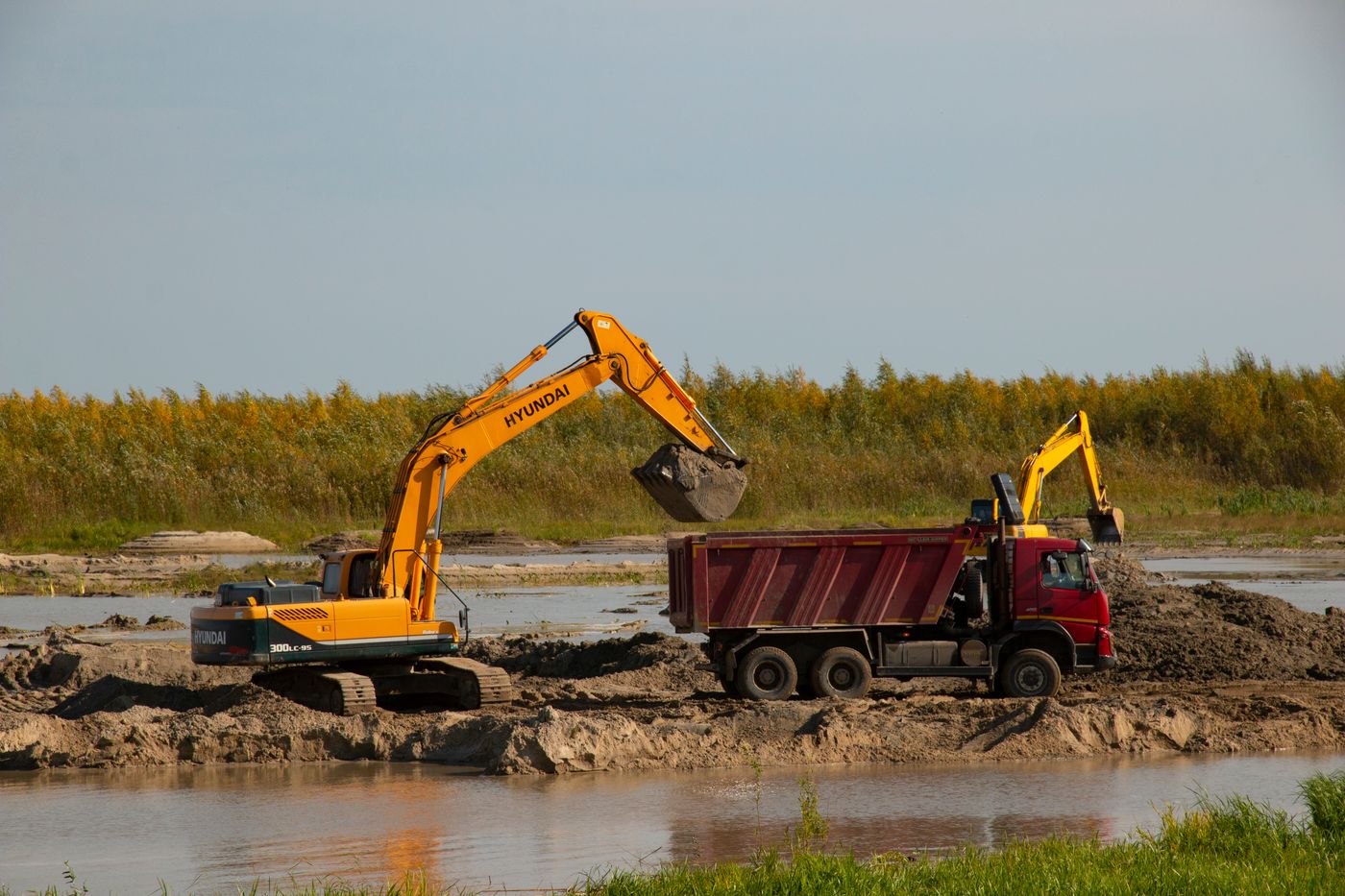
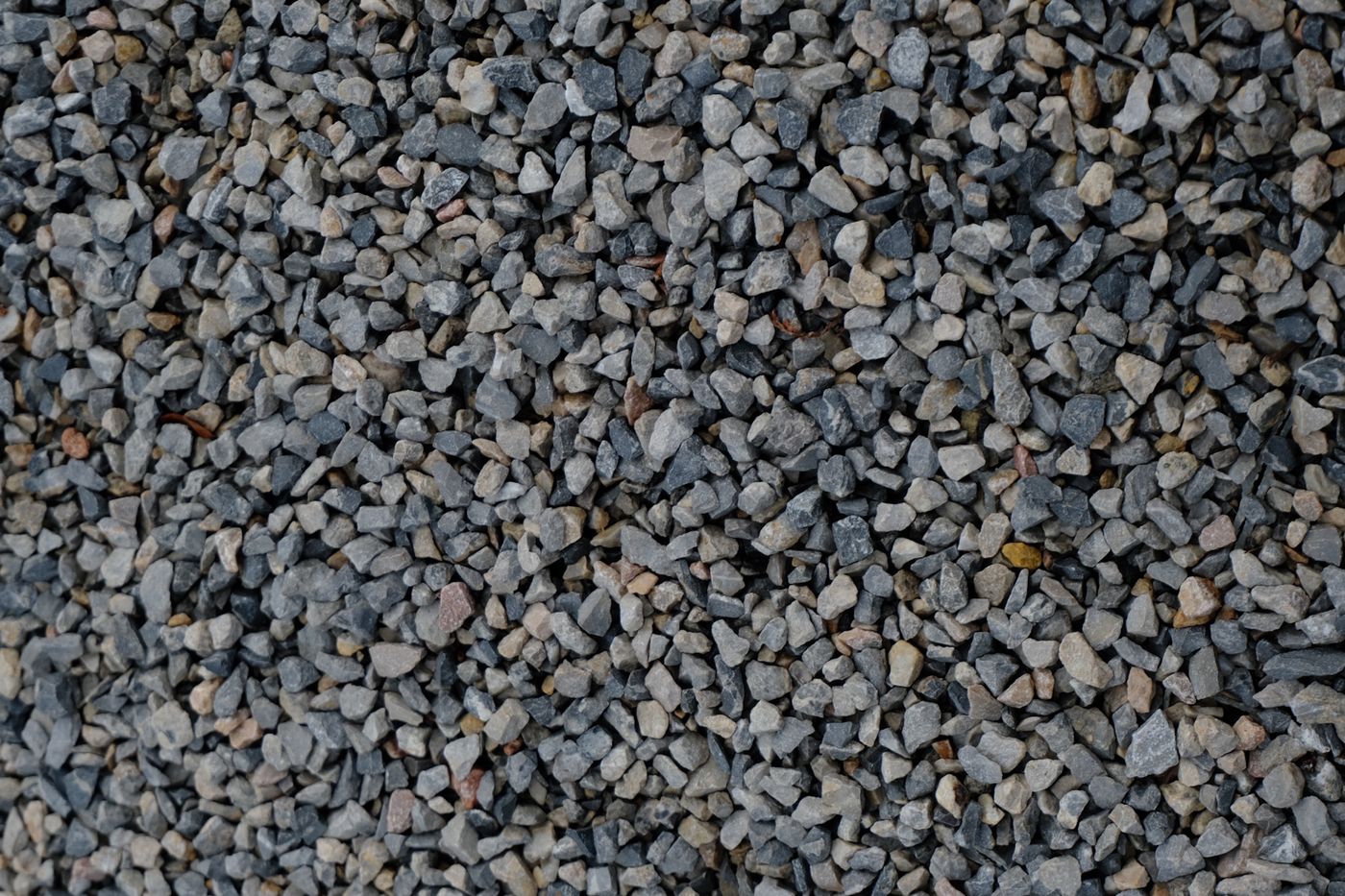
Luck Stone groups larger open-graded aggregates among products used for new driveway bedding, stabilizing soft terrain and bridging muddy areas. The reason is simple: larger angular stone can create a stronger skeleton over weak ground instead of immediately disappearing into it. The exact stone and depth depend on the site, but the sequence matters. Stabilize first. Finish later.
Once the Ground Stops Moving, Compaction Starts to Matter
After the weak ground is stabilized, dense-graded aggregate may become useful because it contains coarse stone plus smaller particles and fines. Those smaller pieces fill gaps and help the material tighten under proper compaction.
This is where muddy-driveway repairs stop being a hunt for one “best rock.” Large stone can serve one purpose. Dense-graded material can serve another. Clean stone may serve another still. A durable driveway is often a sequence of layers doing different jobs.
Should You Dump #57 Directly Into the Mud?
#57 stone is popular because it is clean, drains well and works in many residential and construction applications. But it is not a magic carpet for weak soil.
If the foundation is already stable and you need clean stone for a specific layer, #57 may fit beautifully. If your tires are sinking into wet subgrade, solve that problem first. Our Greensboro #57 buying guide explains the product in more detail.
If the Water Keeps Coming Back, the Mud Usually Will Too
Go look at the driveway during or immediately after a hard rain. That ten-minute inspection may tell you more than an hour of comparing product names online.
Is water running down the wheel tracks? Crossing the driveway from a hill? Sitting in a low spot? Pouring off a roof beside the drive? If water has nowhere useful to go, another load of stone may simply restart the clock. Crowning, ditching, culverts, swales or another drainage solution may be the part of the repair that makes the stone finally stay put.
When Fabric Is Worth a Conversation
Geotextile can help separate aggregate from weak native soil and reduce the tendency for fines and mud to migrate into the stone. It is not required everywhere, and the wrong fabric or installation can create problems of its own.
But if you can literally watch mud pump up through stone under traffic, separation is worth discussing with someone who understands the site before you buy another load.
Two Inches Over a Good Base Is Not the Same Job as Rebuilding a Failure
There is no honest universal depth for a driveway repair. Existing soil, traffic, drainage, slope and what is already beneath the surface all change the answer.
A driveway with a strong base may need only resurfacing. A failed section that never had proper support may need excavation, stabilization and substantially more stone. Measure the area, decide whether you are resurfacing or rebuilding, then use the supplier calculator as a planning tool rather than a substitute for the design.
The Delivery Truck May Be the Heaviest Thing Your Driveway Has Ever Seen
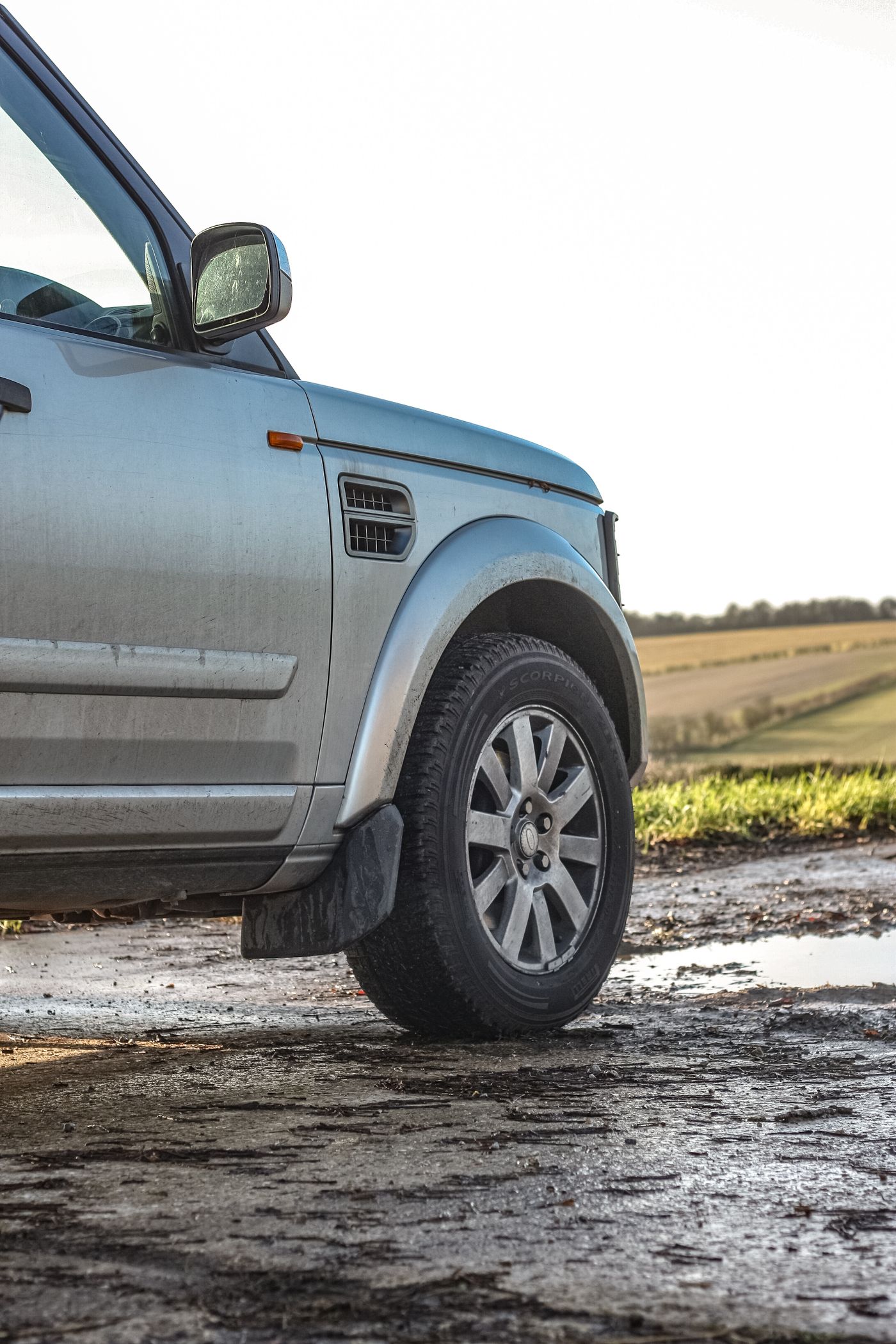
Luck Stone notes that a loaded dump truck can weigh as much as 80,000 pounds. On a muddy-driveway project, that is not trivia. The area you most want repaired may be the exact area the delivery truck should avoid.
Plan the dump location before delivery. Point out soft ground, septic components, culverts, buried utilities, low wires, trees and tight turns. Convenience is not worth getting a loaded truck stuck in the problem you were trying to fix.
If You Have Bought the Same Repair Three Times, Change the Repair
A muddy driveway can make “another load of gravel” feel like the obvious answer because it works immediately. The surface looks better. The holes disappear. The car stops sliding around.
Then the rain comes back and the same section fails again.
At that point the driveway is asking for diagnosis, not another cosmetic reset. Look at water, base depth, soil movement, separation and the actual loads using the driveway. Once the foundation is stable, the surface material finally gets a fair chance to do its job.
The goal is not to keep buying stone. The goal is to make the next load matter.
A Simple Decision Path
- The ground itself moves: investigate stabilization, separation and larger base material.
- The base is firm but holds water: investigate grading and drainage.
- The base is solid and only the surface is thin: resurfacing may be appropriate.
- Heavy vehicles create the failures: design for the actual load, not just passenger cars.
- You are unsure which aggregate belongs where: compare material types before ordering.
For a broader comparison, read what gravel should I use for a driveway in Greensboro NC? If the base is already sound and you are trying to select the finished material, continue to the best stone for a gravel driveway in Greensboro NC.
Useful claims should have somewhere to go when you click them
Frequently Asked Questions
What is the best stone to put over mud?
There is no single best stone for every muddy driveway. Larger open-graded aggregate is commonly used to bridge and stabilize weak ground, while other layers may use compactable aggregate. The soil, drainage, traffic and existing base should drive the choice.
Can I put #57 stone directly on a muddy driveway?
#57 can be useful in many driveway and drainage applications, but clean stone alone may not correct unstable subgrade. If the soil is pumping or swallowing stone, base stabilization should be addressed first.
Is crusher run good for a muddy driveway?
Crusher-run or other dense-graded aggregate can be useful where a compactable base is appropriate. It should not be treated as a substitute for correcting severe drainage or weak-subgrade problems.
Should I use large stone first on a soft driveway?
Larger open-graded aggregate is often considered for bridging soft terrain and new driveway bedding. The exact size and layer design should match the site.
Do I need fabric under a gravel driveway?
Not always. Geotextile may help separate aggregate from weak soil or reinforce problem areas, but whether it is appropriate depends on soil, drainage and construction method.
Why does my gravel driveway keep sinking?
Common causes include weak subgrade, poor drainage, insufficient base depth, repeated heavy loading and fine soil migrating into aggregate.
Can gravel fix standing water in a driveway?
Stone can change the surface, but persistent standing water often requires grading or drainage work so water has a path away from the driveway.
How much stone do I need to repair a muddy driveway?
Measure the repair area and intended depth, then use a material calculator as an estimate. Rebuilding a failed base requires substantially more material than refreshing an existing surface.
Can a dump truck drive onto a muddy driveway?
Possibly, but it may be unsafe or impractical. Luck Stone specifically asks customers to disclose soft or muddy areas before delivery because loaded trucks are extremely heavy.
Where can I check Luck Stone products?
Use Luck Stone’s official product and location pages to confirm current product availability, specifications and delivery options.
Stone is not a new side project for Luck Stone
Charles Luck Jr. opened the business that grew into Luck Companies.
Luck Companies celebrated its centennial in 2023.
Luck Stone describes itself as the nation's largest family-owned and operated producer of crushed stone, sand and gravel.
The Eden and Mount Airy plants joined Luck Stone in 2021, expanding its North Carolina presence.
Company-history claims above are drawn from Luck Stone's own company history and North Carolina expansion announcement. Read the centennial story.