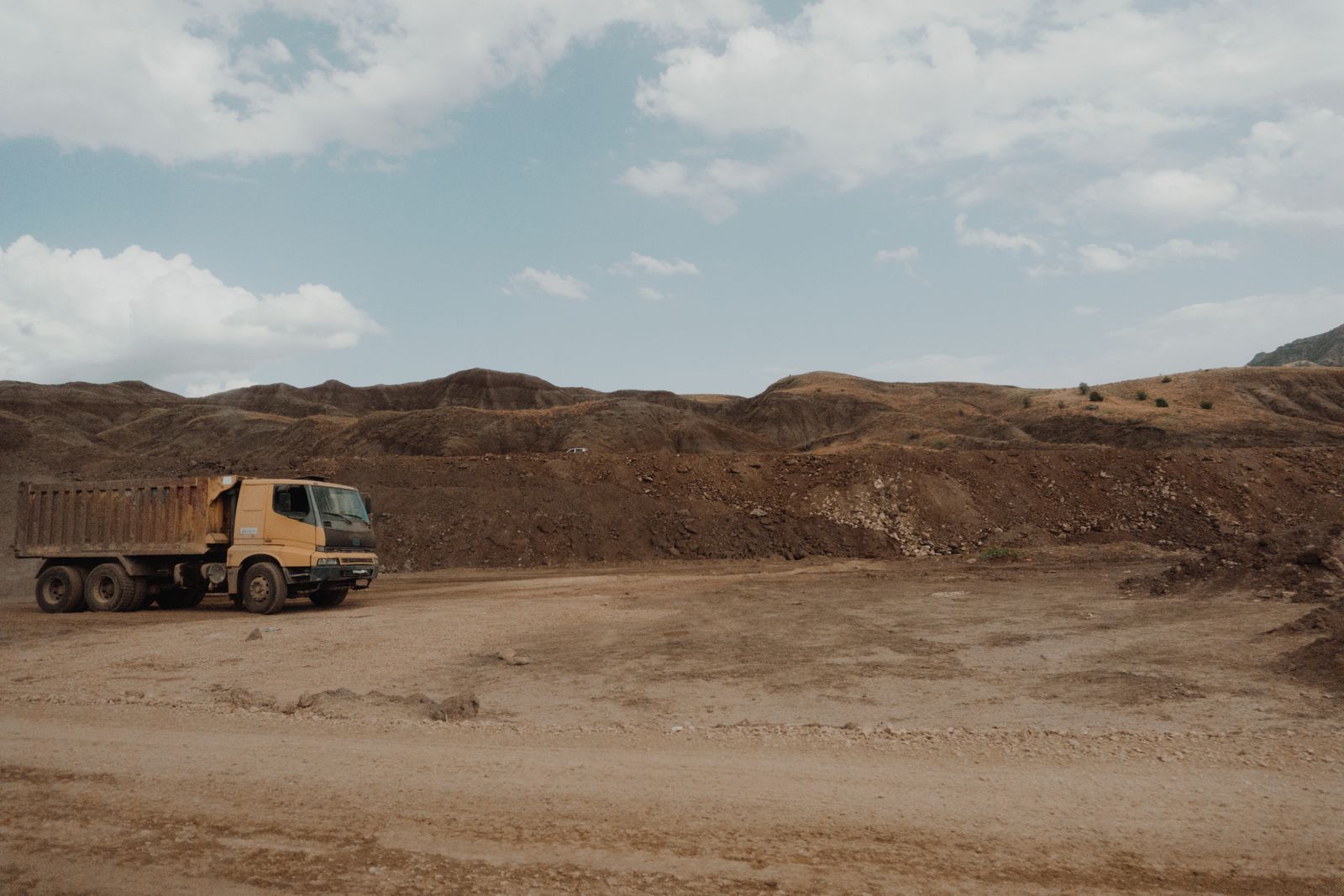
The “Best Stone” Question Is Usually Too Small
Ask five people for the best driveway stone and you may get five confident answers. #57. ABC. Crusher run. Something bigger. Something prettier.
The problem is not that everyone is wrong. It is that they may be answering for five different driveways. A durable gravel drive is built from the ground up: the soil has to support it, water has to leave it, the base has to carry traffic and the surface has to be something you can maintain. One material does not always do all four jobs well.
For the Foundation: Use Material That Is Designed to Tighten
Dense-graded aggregate combines coarse stone with fines, and those smaller particles help fill the voids when the material is properly compacted. Luck Stone identifies dense-graded aggregate as a common choice for sub-base and base on roads, driveways and parking lots.
In North Carolina, NCDOT ABC is one term you may encounter. “Crusher run” is another common phrase, though specifications vary. If the job is base strength, ask for the actual material specification rather than relying on a nickname.
For Drainage: Give Water Somewhere to Go
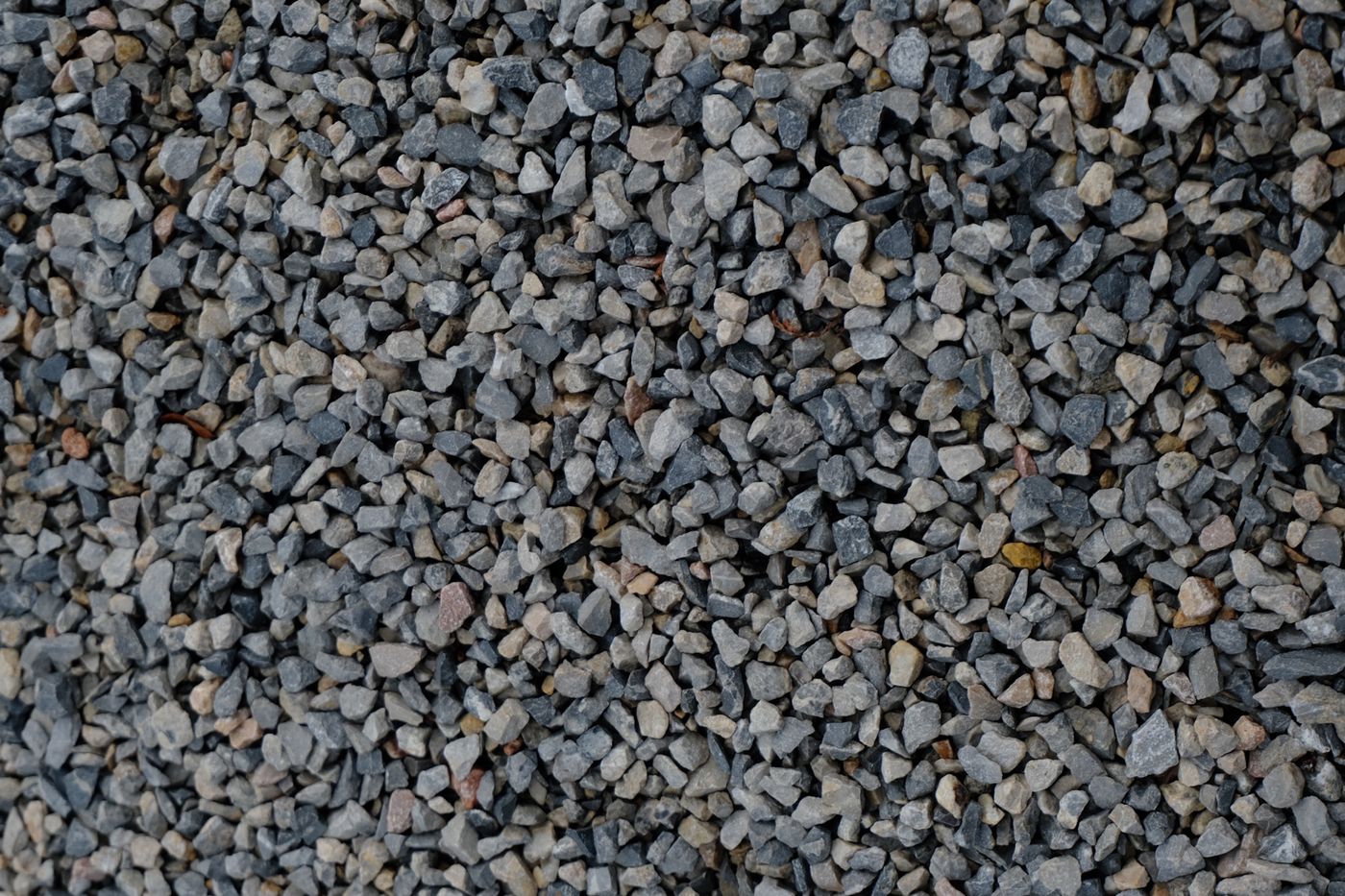
Clean open-graded stone leaves more space between particles, which lets water move through the layer. That is why #57 comes up so often in drainage and driveway conversations.
Does that automatically make #57 the best driveway stone? No. It makes it useful when its properties match the job. A stone can be excellent for drainage and still be the wrong choice for a compactable structural base. If you are considering #57 specifically, see our Greensboro buying guide.
For Mud and Soft Ground: Fix the Foundation Before the Finish
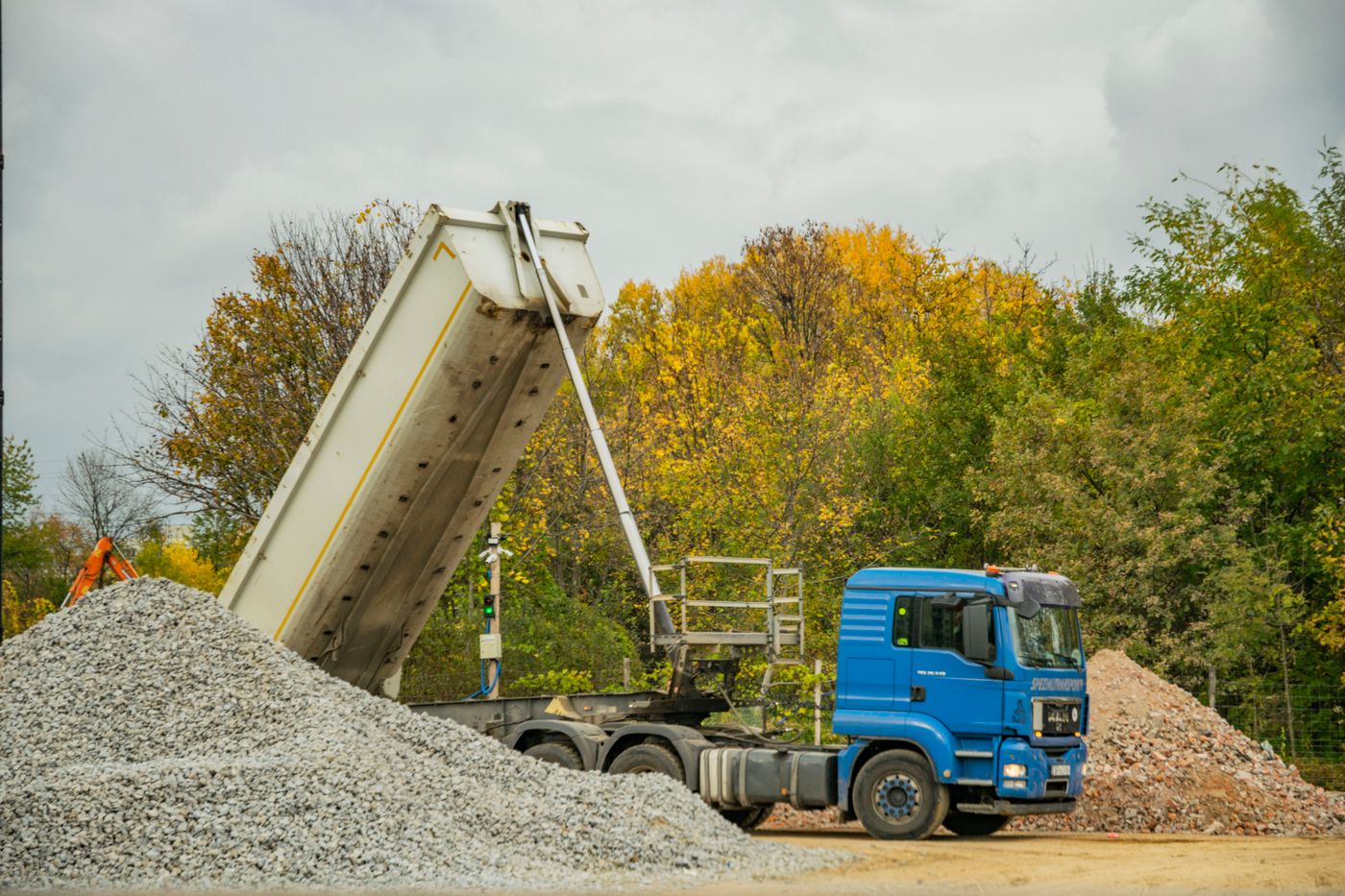
If the driveway is disappearing into the soil, the top layer is not your first problem. Luck Stone lists larger open-graded aggregate for new driveway bedding, stabilizing soft terrain and bridging muddy areas.
That is different from refreshing an existing driveway that already has a solid base. If the ground itself is moving, our muddy driveway guide is the better place to start.
For a Steep Driveway: Water Is Half the Battle
Slope changes everything. Tires push material. Stormwater accelerates downhill. A surface that behaves beautifully on level ground may migrate once the driveway starts acting like a drainage channel.
Choose the stone carefully, but also look at crown, cross-slope, ditches and where runoff actually goes. If water follows the wheel tracks every storm, no aggregate name can compensate for the driveway functioning like a creek bed.
For Heavy Vehicles: Build for the Biggest Thing That Actually Uses the Drive
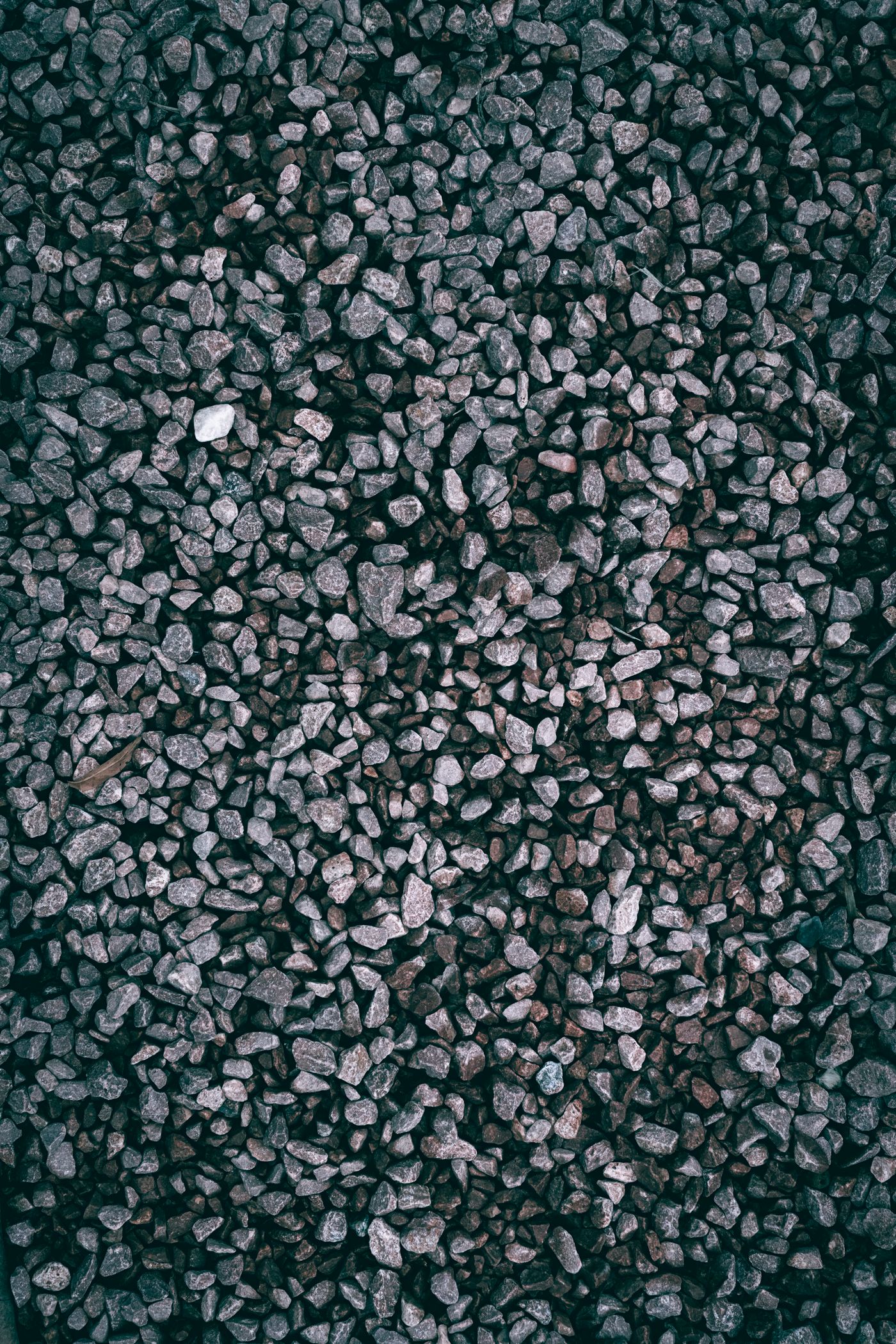
A driveway that sees passenger cars is one project. A driveway that regularly sees RVs, dump trailers, work trucks, concrete trucks or deliveries is another.
The strongest driveway is not necessarily the one with the most expensive surface. It is the one with enough foundation for the loads it sees over and over again. Build for the worst regular load, not the easiest day of the year.
For an Existing Driveway: Do Not Rebuild What Is Already Working
If the driveway has been firm for years and the base is still sound, start with grading. Restore the crown or cross-slope, repair low areas and figure out whether the surface simply needs more material.
That is a very different job from rebuilding a failed base. If you are unsure what material belongs on an existing drive, our Greensboro driveway gravel guide is designed for exactly that decision.
Greensboro Does Not Need Special Gravel. Your Site Still Matters.
There is no magical aggregate that only works in Greensboro. What changes locally is the mix of soil, terrain, rainfall, freeze-thaw cycles, vegetation and the products available from nearby suppliers.
Luck Stone’s Eden Plant states that it serves the northern Greensboro market. That gives local buyers a practical place to start: identify the job, then confirm which materials are currently available from the plant that would serve the project.
The Cheapest Stone Can Become the Most Expensive Driveway
Price per ton gets attention because it is easy to compare. Total project cost is harder. Delivery distance, number of loads, grading, excavation, fabric, compaction and drainage can outweigh the difference between two stone prices.
A cheaper surface that has to be replaced repeatedly may cost more than fixing the base once. Get the driveway design right first, then compare current material and hauling prices.
The Best Driveway Stone Might Be Three Different Stones
People want a clean answer because ordering stone feels like it should be simple. “Tell me the best one and I will buy it.”
But a driveway on firm, well-drained ground has different needs from one that turns to mud every February. A short residential drive is different from a long lane that regularly carries loaded trucks. A steep driveway has a water problem a flat driveway may never experience.
That is why we would rather match materials to jobs than crown one product the winner. Stabilization underneath, compactable base in the middle, drainage where needed and a surface you can maintain may all be part of the same good driveway.
The goal is not to buy the “best rock.” The goal is to stop thinking about your driveway every time it rains.
Our Practical Ranking by Job
- Compactable foundation: dense-graded aggregate appropriate to the project.
- Drainage layer: clean open-graded aggregate selected for the needed gradation.
- Soft-ground stabilization: larger open-graded stone or another designed stabilization approach.
- Finished surface: choose based on base condition, slope, desired appearance, maintenance and traffic.
Before You Order
Describe the driveway honestly. Tell the supplier whether it is new, muddy, steep, heavily traveled or simply thin. Measure the area. Know whether the delivery truck can access the site. Ask which product specifications are currently available. If you are using a contractor, let the contractor design the section rather than buying material first and asking where it should go afterward.
Useful claims should have somewhere to go when you click them
Frequently Asked Questions
What is the best stone for a gravel driveway?
The best choice depends on the layer. Dense-graded aggregate is commonly used for compactable base, clean open-graded stone can serve drainage or selected surface uses, and soft ground may need larger stabilization stone first.
Is #57 stone good for a gravel driveway?
It can be, especially where clean aggregate or drainage is desired, but it is not the same as a dense-graded compactable base.
Is crusher run better than #57 stone?
Neither is universally better. Crusher-run-type material is typically selected for compaction; #57 is cleaner and more open. Choose according to the job.
What stone makes the best driveway base?
A properly specified dense-graded aggregate is commonly used for driveway base because it contains fines and compacts. Weak ground may require stabilization beneath it.
What stone packs down best?
Dense-graded aggregate packs more tightly than clean open-graded stone because smaller particles fill the voids.
What is the best stone for a driveway that washes out?
The first fix may be drainage and grading rather than a different stone. After controlling runoff, choose material suited to the slope and layer.
What is best for a steep gravel driveway?
A stable compacted base, appropriate surface aggregate and strong drainage design are all important on a slope.
What is best for a muddy driveway?
Large open-graded aggregate may be used for stabilization and bridging soft terrain, but drainage and subgrade conditions should be evaluated before surfacing.
Should I use different stone sizes in a driveway?
Often, yes. Different layers can have different jobs, so a layered design may outperform using one material from bottom to top.
Does Luck Stone serve Greensboro NC?
Luck Stone states that its Eden Plant serves the northern Greensboro market. Check the official location finder for current service and product availability.
Stone is not a new side project for Luck Stone
Charles Luck Jr. opened the business that grew into Luck Companies.
Luck Companies celebrated its centennial in 2023.
Luck Stone describes itself as the nation's largest family-owned and operated producer of crushed stone, sand and gravel.
The Eden and Mount Airy plants joined Luck Stone in 2021, expanding its North Carolina presence.
Company-history claims above are drawn from Luck Stone's own company history and North Carolina expansion announcement. Read the centennial story.